Picture this

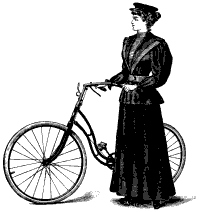
I’m cycling to work when my rear brake cable snaps, trapping my little finger momentarily (but painfully) between handlebar and brake. I signal left and pull over to survey the damage. The cable lies forlornly in the street. I don’t know any bike shops nearby, and, as I’ve slept badly and past my alarm, I’m already running a few minutes late. I decide to press on slowly with just one brake.

Minutes later I’m nearly flattened by a black cab which accelerates aggressively to overtake me, then cuts directly across my path without signalling. As the cab speeds away down a side road, its driver honks the horn loudly and shouts incoherently from his open window. I am left standing shocked and panting in the gutter as passers-by newly arrived to the scene shake their heads, clearly under the impression that I’m just another idiot cyclist with no respect for the rules of the road.

Really shaken now, I dismount and cross Hammersmith Broadway on foot. As I wait at a pedestrian red light, someone shouts ‘lucky girl’. It is a young man sitting in the passenger seat of a van. He and the driver of the van, a man in his forties, look very pleased with themselves.

Before I can react, they are gone. I review my appearance: there doesn’t seem to be anything particularly lucky about me today. I am wearing my favourite dress (black with white polka dots, knee-length, V-neck). Black opaque tights. Black brogues. Hair drying into its usual curly hedge. Glasses on top of my head. No shamrocks. I cycle on.

A few minutes later I am freewheeling down King Street when I spot the same van again. It’s pulled over on the left, and the two men are unloading things from the back. I’m almost past them when the young one addresses me again. Except this time he’s closer, and I hear him properly, and its not ‘lucky girl’ he’s saying, it’s ‘lucky saddle’.

Something snaps.

I pull over (which takes a while, because I have only one brake), dismount and wheel my bike back to where the men are standing.

‘I’m sorry, what did you just say?’

‘Nothing.’

‘Yes, you did. What was it?

‘It was a joke. I said “lucky saddle”. It’s a compliment, love.’

He smiles and looks to his friend for approval. The older man looks worried.

‘OK. Why is my saddle lucky?’

‘Nothing. It’s just a compliment.’

‘Are you saying my saddle is lucky because it has me sitting on it?’

The man smirks. ‘Yeah.’

‘So you’re saying the saddle is lucky to have my genitals pressed against it?’

‘That’s not -’

‘And, when you say that the saddle is “lucky”, I suppose you mean that you envy it?’

‘No, that’s not -’

‘What you’re saying is that you want to be pressed up against my genitals, is that it?’

‘Listen, you’re taking this too seriously. It’s just a joke. I’m trying to be nice.’

‘I don’t know. A stranger shouts at me in the street, twice, saying that he wants to touch my genitals. That doesn’t seem nice to me. Do you understand why that might actually sound quite intimidating?’

‘Listen, you’re blowing this way out of proportion. Most girls can take a compliment.’

‘It doesn’t feel like you’re trying to flatter me. It feels like you’re trying to humiliate me.’

The man rolls his eyes and winks at his colleague.

‘Oh, that’s what this is about – you’re trying to impress your friend. Here’s a suggestion. Why don’t you both just get in the van, take down your trousers, and show each other your willies? That way there’s no need to involve me OR my saddle.’

I get back on the bike and cycle off to work. This has been, without doubt, the greatest feminist victory that Chiswick has seen all week.

Except it doesn’t happen in Chiswick. In fact, it doesn’t happen anywhere except in my head as I sit in the toilets crying before work.

When I leave the cubicle to wash my face and hands, I look in the mirror. There’s a huge smear of black oil across my forehead.

Posted in Uncategorized | Tagged , , , , , , | 60 Comments

Growing up

Today my parents moved out of the house that I grew up in.

Since my mother went into labour on moving day, nearly 27 years ago, this house has been the centre of our family life. This was the house I was first brought home to from the hospital, was suckled, and where I first slept through the night. It was the house where I learned to crawl, to walk, and to bundle myself and my infant brother up in duvets and tumble down the stairs.

It was the house of first pets, first playdates, first instruments. First shoes, first bras, first periods, first mood swings. First parties, first drinks, first hangovers. First loves, first heartbreaks. The backdrop to scenes of the bitterest enmity (my bedroom door existed only as a blur and a thud from 1998 to 2002) and the scene of some of my happiest memories: Christmasses, long summer holidays, and, once Tom and I and our cousins were tall enough to be considered interesting and capable of mixing and delivering drinks, epic family parties.

The house has been a family home to hundreds of people who aren’t technically family, a place to sleep for countless friends-of-friends, and the means of creating many new friendships. It represent more than bricks and mortar in our collective subconscious: it’s a monument to our family history. The red front door often features in my dreams. The kitchen, in my mind, is permanently full of people and food smells. The hallway rings with familiar voices. The garden is a mess of mud, sprinklers and bruised shins, the bedrooms exist as quiet oases of privacy, and the attic is not so much a room as a sacred reliquary of childhood.

Literally. One of the first things I liberated from my ‘treasure box’ was an envelope full of milk teeth that I had evidently began to stockpile during a particularly magical period of my childhood (the usurious interval between grasping the value of money and abandoning belief in fairies). Just what exactly are you supposed to do with your own milkteeth? Throw them away? Bury them? Wear them on a chain? Cook with them?

This was one of the smaller decisions I’ve faced in recent weeks. My parents, having identified a need to downsize, were keen to disabuse me of the notion that I could continue to use my old room and the loft as a free warehouse. In recent weeks I’ve spent a lot of time sifting through childhood artefacts, sorting them into tottering piles of ‘keep’, ‘charity’ and ‘skip’.

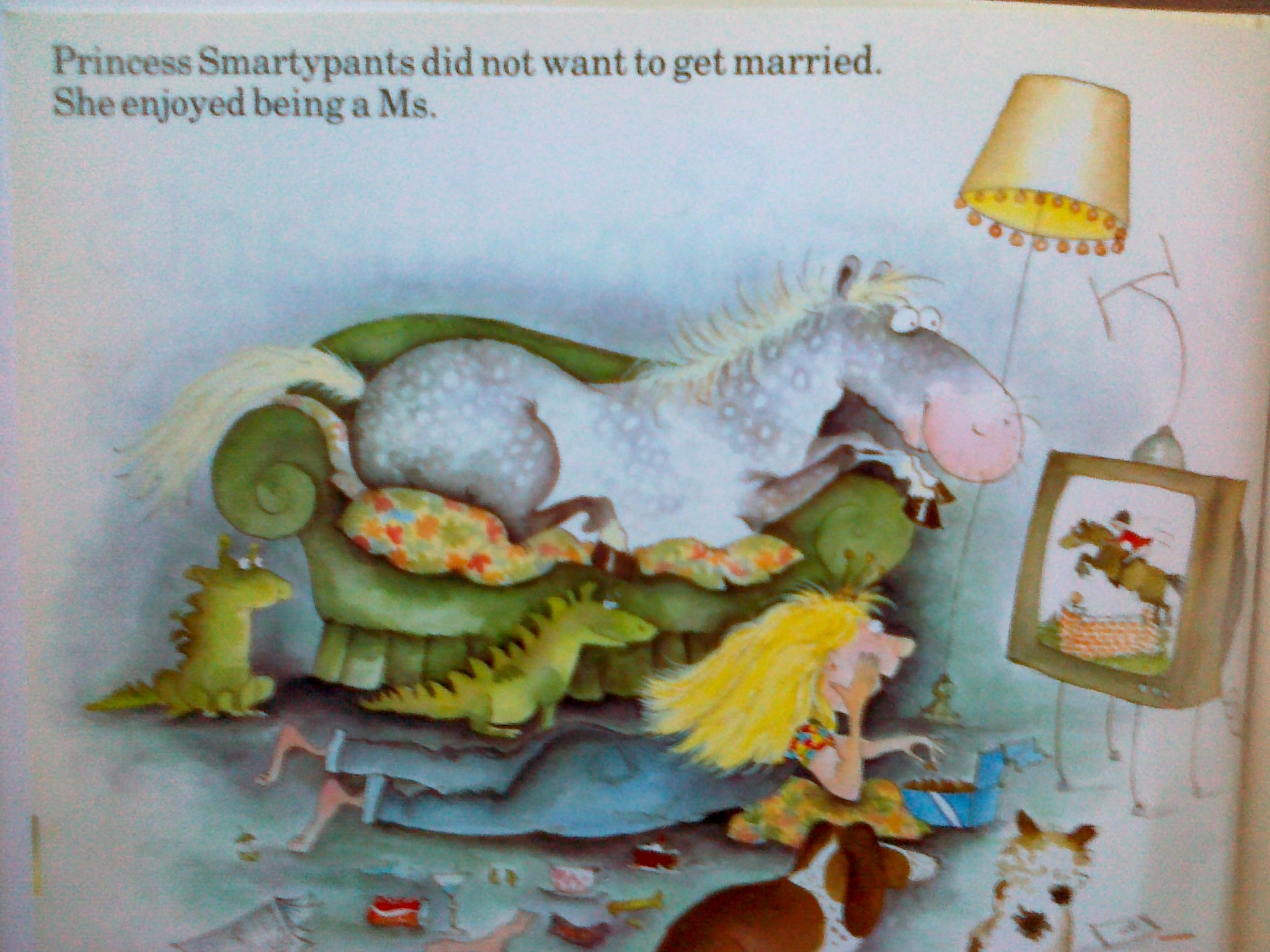
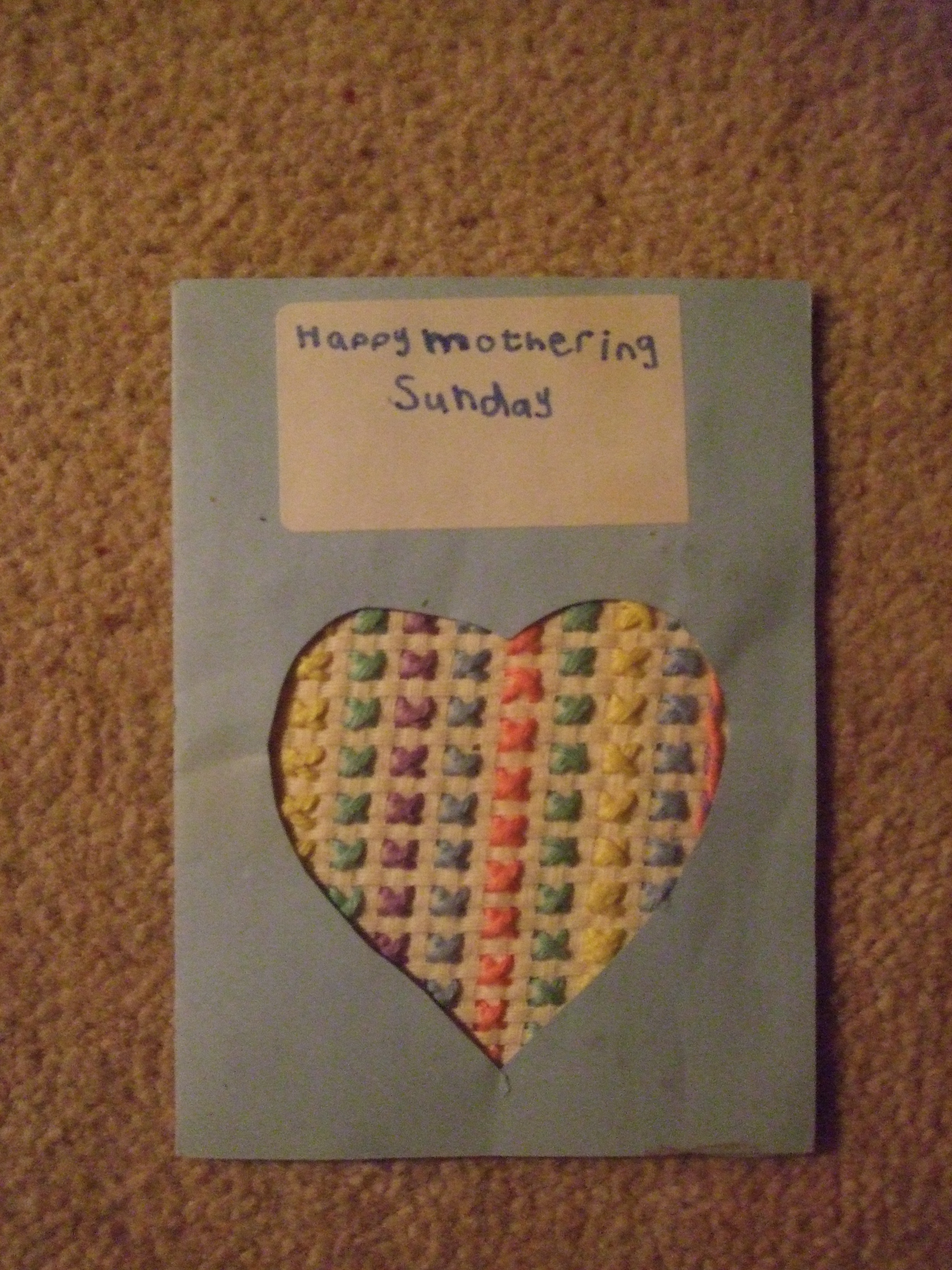
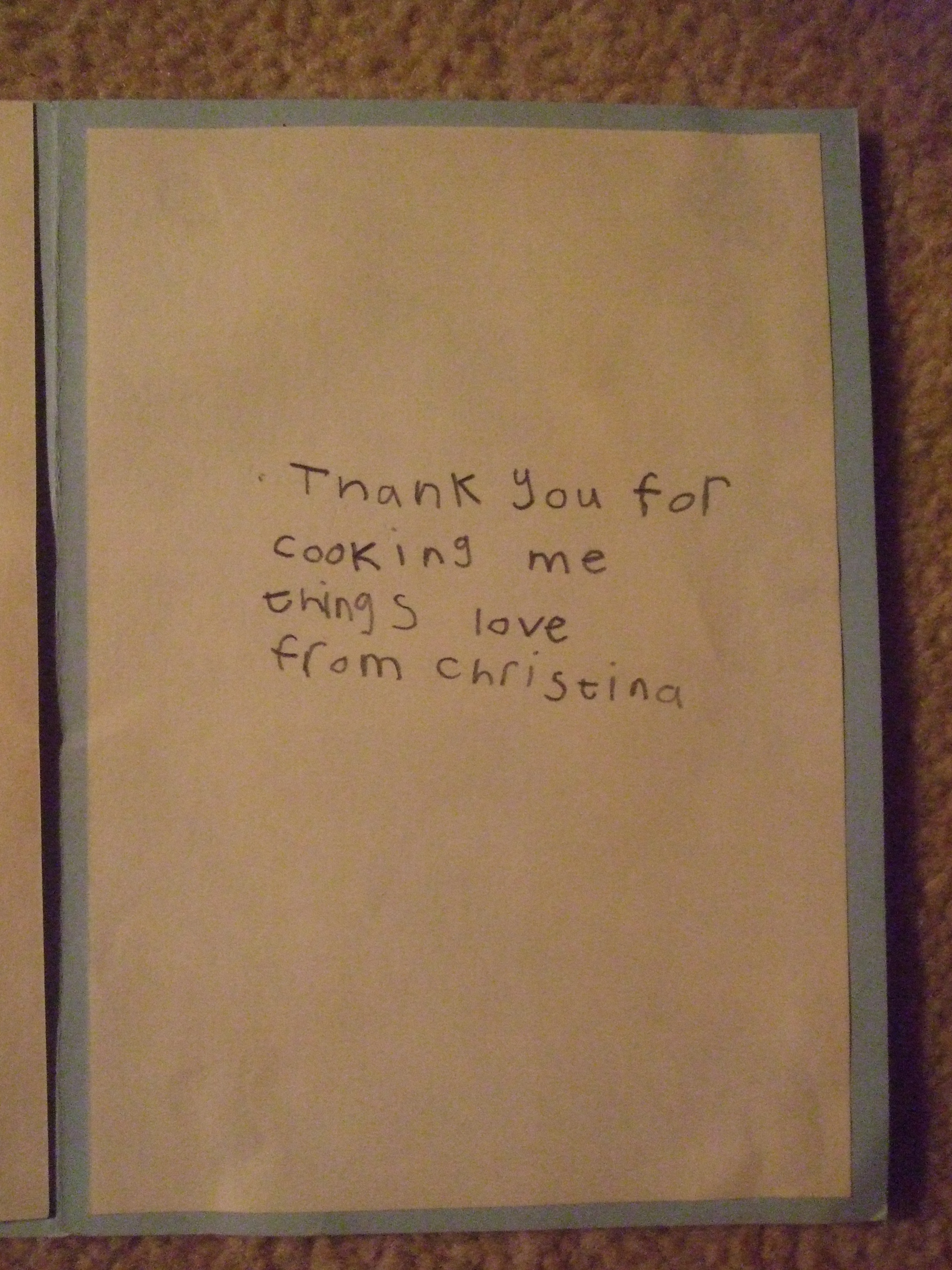
An early stab at the patriarchy. It must have been something I picked up from less enlightened children at school. Luckily, my parents introduced me to Babette Cole’s Princess Smartypants, thus guiding me safely back to the path of righteous feminism.

I’ve blogged before about the importance of childhood books, but until this week never realised the extent to which I was affected by Judith Kerr’s The Tiger Who Came To Tea. Look – my entire fashion sense has been shaped by Sophie’s mummy.

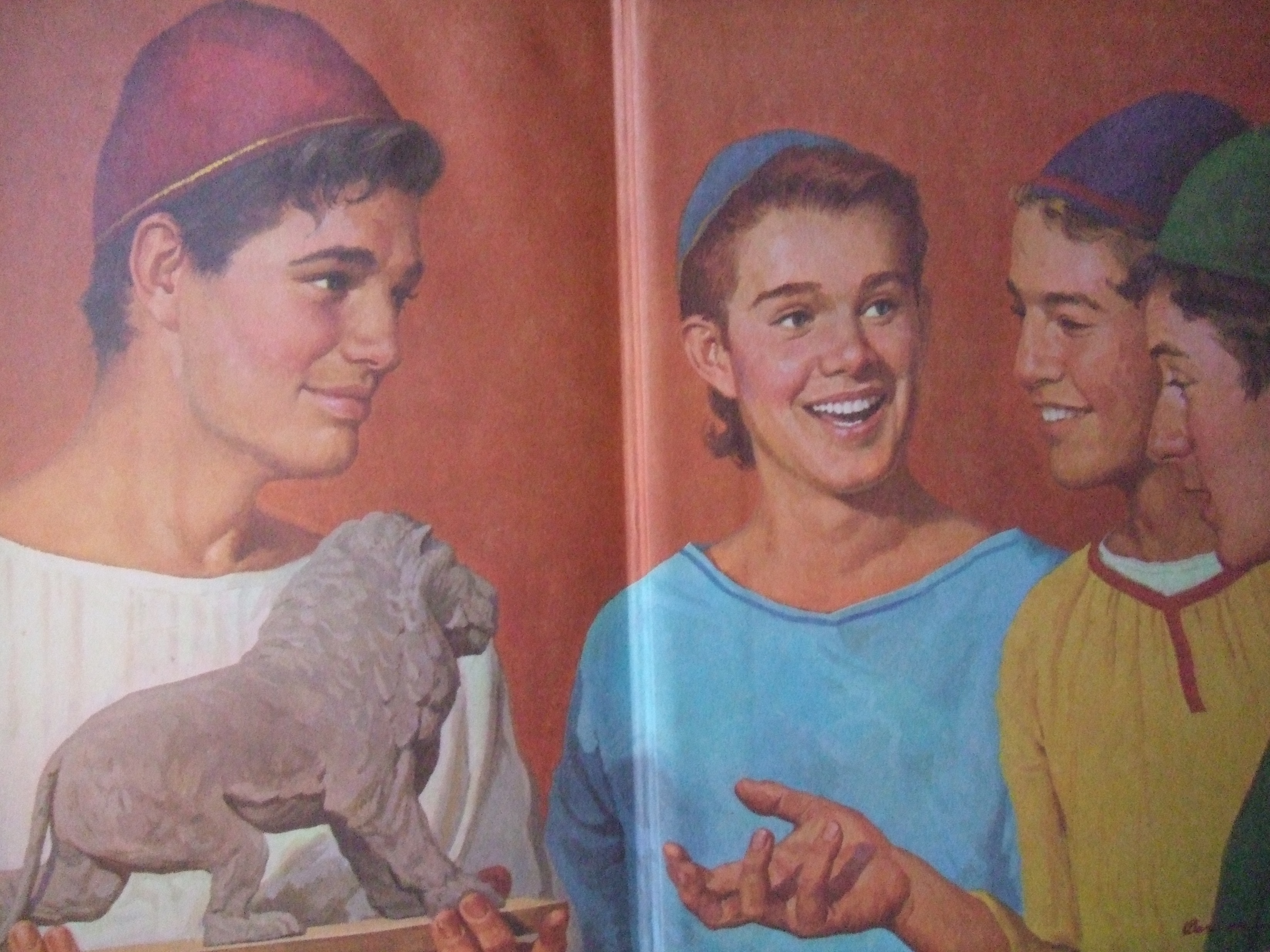
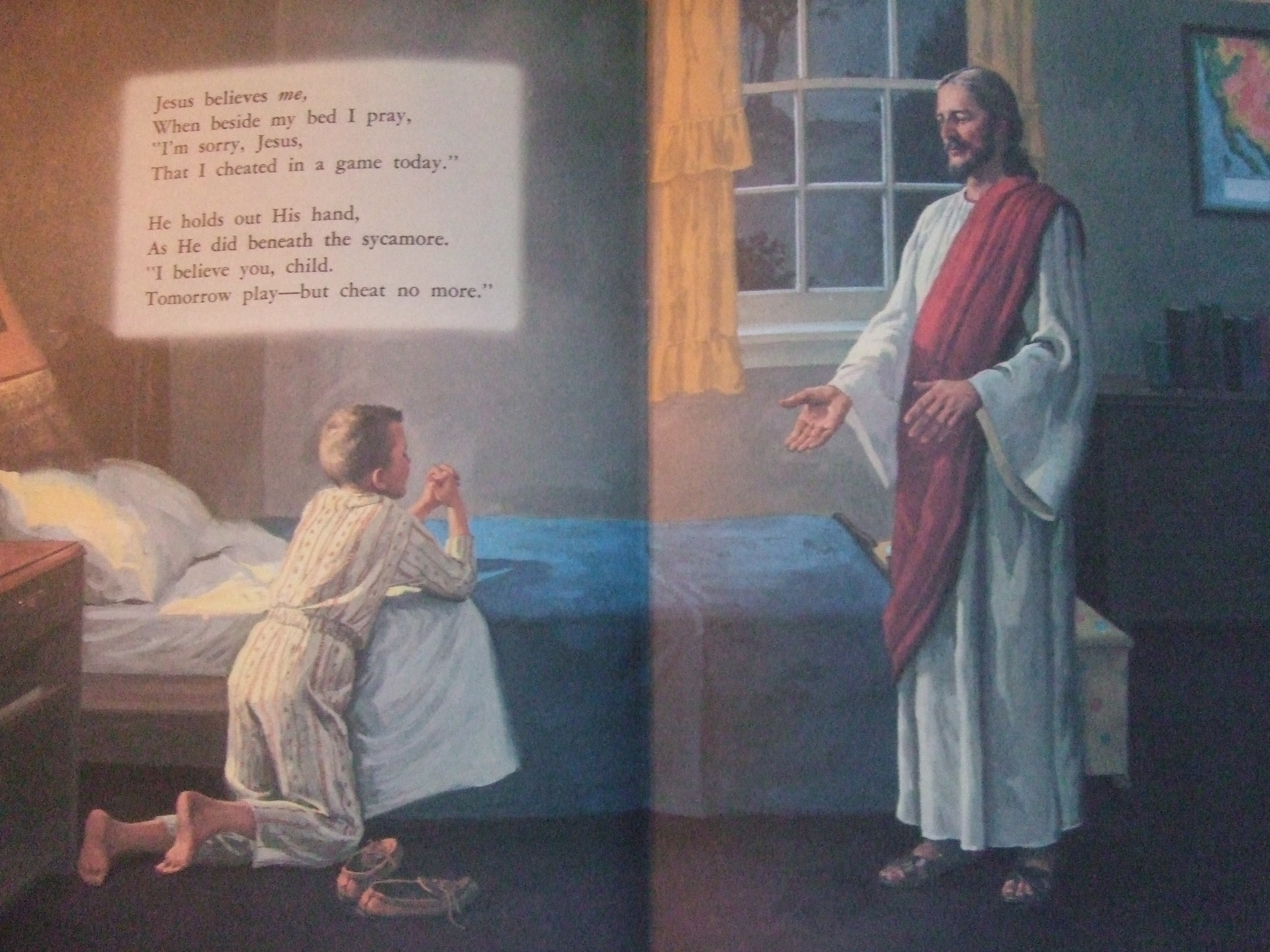
My childhood wasn’t particularly religious, but Tom and I owned a set of lushly illustrated children’s bible stories, My Bible Friends, by one Etta V Degering. Seeing these books again awoke all sorts of emotions, the strongest ones  being a strange attraction to the young Daniel, and a keen sense of the importance of pulses in the diet.

“Probably written by Mormans”, my mother (who purchased the books) says darkly. Here she is.


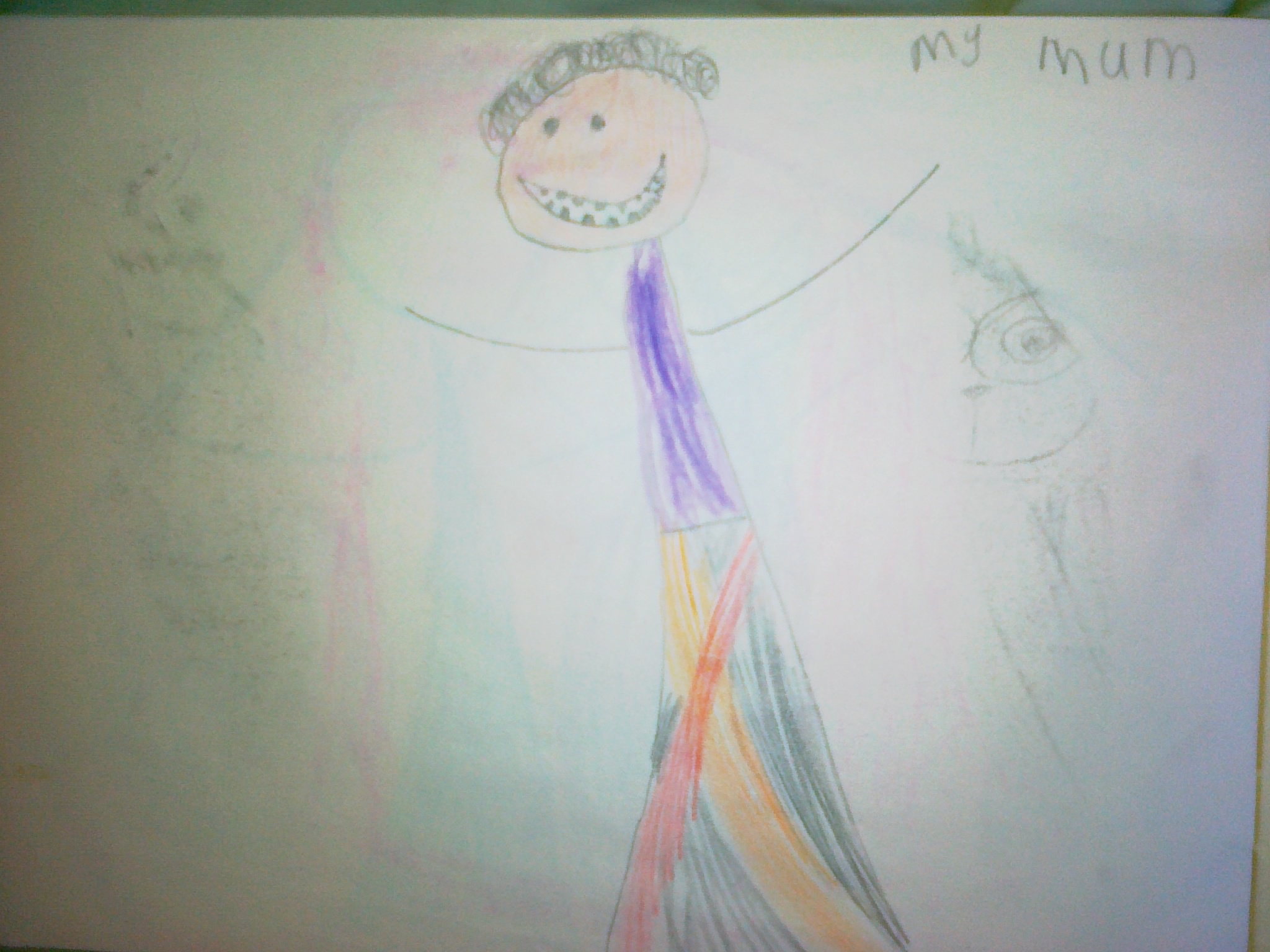
Looking through my childhood scribblings, I’m overcome with a sense of nostalgia for the old me. The me that was bold with colour (the current me never draws). The me that danced furiously in a clown-covered tracksuit to please my parents (the current me needs a stiff drink before considering the dancefloor). The me that had a reading age several years ahead of my age-group but remained entirely unaware that teachers had any kind of interest in me (the current me is only too aware of my intellectual shortcomings). The me that was fierce with love for family and obsessed with documenting their lives in colouring pencil (the current me always hopes that they just know).

I feel like a proud parent. I can’t work out whether I’m being nostalgic, or narcissistic, or both, or neither.


The hardest thing about the last few days has been the sense of performing so many ‘lasts’ in a house that was the setting for so many firsts. It has to happen, it was always going to happen: it has happened. But it’s a funny feeling.

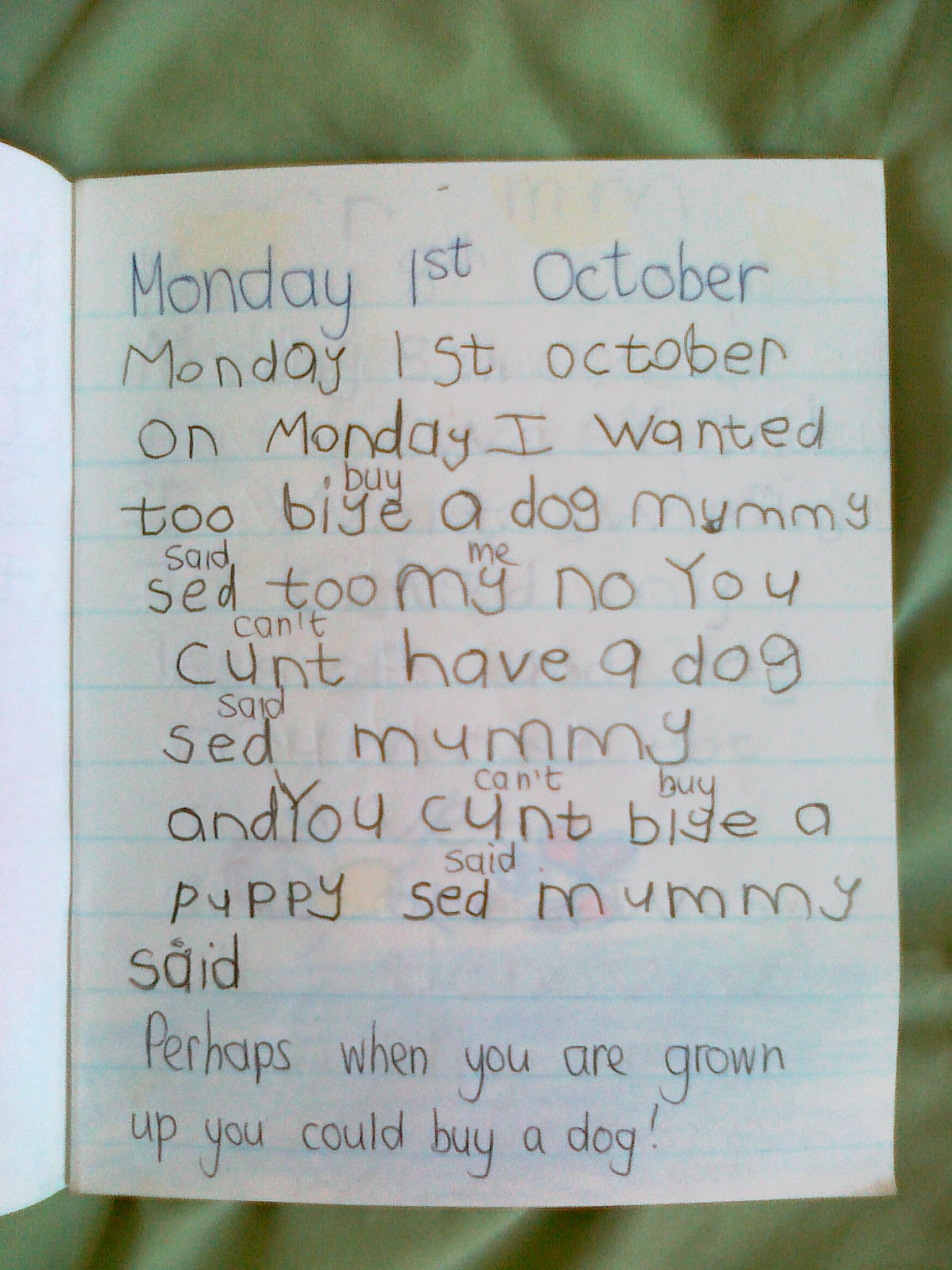
I can’t quite work out how to finish this post in the time I have available (three minutes), so I’ll draw to a close with some classic childhood obscenity lols.

Today was a big day.

Posted in Uncategorized | Tagged , , , , , , , , | 4 Comments

Riots in suburbia

I’ve been agonising all day over whether to join the people sharing this vid on Facebook, or Twitter, or Google+, or any other of the channels Londoners have been using this week to broadcast the events going on around them in their neighbourhood battle zones. This surfaced for me today: it’s a film by Kris Thompson featuring some truly exceptional footage of the rioting that occurred in Ealing Broadway last night.

I’ve lived in Ealing for most of my life. My parents and a lot of my friends still live there, and unsurprisingly, I was awake until the small hours yesterday anxiously scanning the news websites (and Twitter) for news (and conjecture) about my hometown. Of all the internet content I’ve seen (and that’s a lot), this video was by far the most powerful, and, for a variety of reasons, the most disturbing example.

The footage is of unusually good quality, and as you’ll see, the cameraman must have taken quite a few risks to capture the images (s)he did. Yet more striking still is the manner of its presentation. The images have been dramatically slowed, the sound carefully edited, and a pounding Chemical Brothers soundtrack overlaid. The overall impression is that of a disaster movie – something like the final sequences of 28 Days Later. It’s a world away from the jerky, deafening camera phone videos that have formed the basis of so much of the media coverage of the London riots. It’s beautiful film.

My immediate reaction on watching the vid, however, was revulsion – and not just towards the perpetrators of the violence captured on camera. The film’s presentation immediately raises questions about the motives behind its creation. To me, at the time, it seemed ghoulish not only to have captured these hi-res images in the midst of a battle, but then to have edited them in such a way as to make them, let’s face it, kind of cool.  Slowing down the footage has the effect of making something that in real life was probably fairly fast-paced and panicked seem premeditated. The music is insistent and threatening, and thus the mood of the looters is not of naive opportunism, but calculated evil. The teenage hoodies become grinning villains, the frightened police officers growling bullies.

At 2:08, a familiar face steps into frame. P (wearing a red jumper) is a family friend who went to see what was going on outside and ended up tending to an injured man as police and rioters clashed around him. Our friend was alerted to the presence of the injured man by one of the rioters, a young man who was presumably concerned enough about the injured man’s welfare to try to get him some help before running away.  According to my brother, who spoke to P, the overriding atmosphere at the scene that this sequence depicts was of fear on the part of the police.

Does that sense of fear come over in the film? My brother thinks so. I’m not so sure. For me, the film’s professionalism is so complete that I feel I’m caught up in a narrative that I can’t be sure happened, yet can’t quite escape. Any sense of journalistic transparency that the footage might once have had has been lost.

I suppose I’m so used to BBC News 24’s never-ending stream of apparently unedited camera phone footage that anything  remotely stylised comes as a bit of a shock. There’s no denying it’s an excellent piece of work. Still: is naive, opportunistic thuggery in the suburbs something we really want to glamorise? Apparently so.

I can’t be right about everything all the time. Let me know what you think. I’ve been awake for far too long. Over and out.

EDITED at 17:16 on 10 August to reflect the fact that a working day does not actually contain 24 hours, no matter how much it may seem that way.

Posted in Uncategorized | Tagged , , , , , , , | 4 Comments